Head Office: +91 89460 43863 Freight desk available by phone Worldwide shipment enquiries Air, Sea, Road & Project Cargo

Carglocal Logistics

Global Sea Freight Forwarding — FCL & LCL

Plan full-container and consolidated ocean shipments between ports worldwide. Carglocal Logistics reviews your cargo, origin and destination, obtains suitable rates through shipping lines and freight agents, and coordinates the accepted shipment plan.

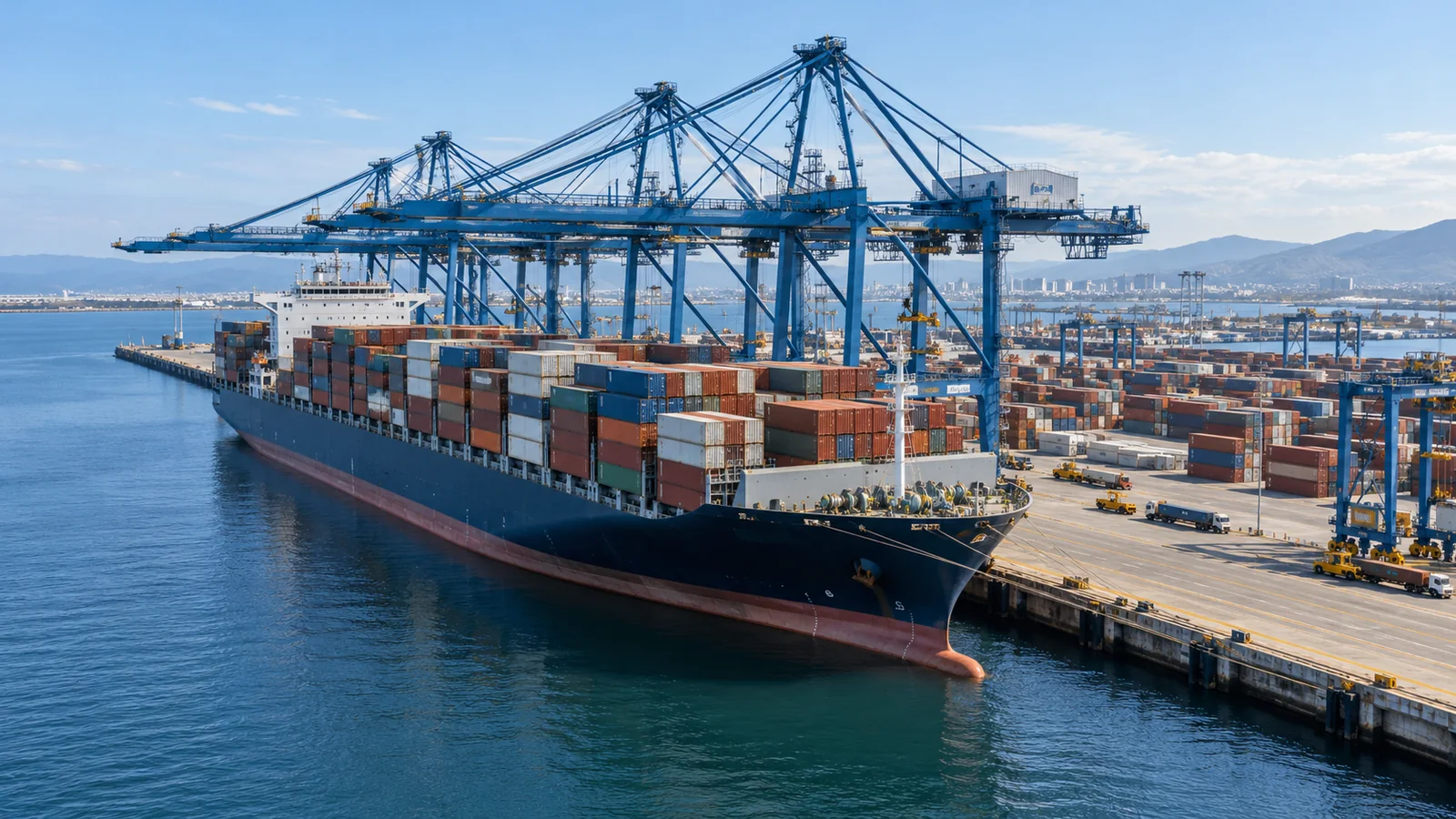
Container vessel alongside blue ship-to-shore cranes at a commercial seaport
Shipment planning · Documentation · Coordination

The service

Container shipping that fits the consignment

Sea freight is often suitable for commercial cargo where the shipment size and available lead time make ocean transport a practical choice. Manufacturers, importers and exporters may need anything from a few pallets to a complete container. The right arrangement depends on more than volume: handling exposure, packing, cargo compatibility and destination charges also matter.

We review Indian imports and exports as well as enquiries between overseas ports. Cargo readiness, container requirements and the shipment scope guide rate enquiries with shipping lines and freight agents. Port-to-port freight and a movement that includes inland pickup or delivery have different responsibilities, so those boundaries should be explicit.

Cross-trade, or third-country shipping, means cargo moves between two countries without passing through the freight forwarder's home country. An India-based customer might enquire about China-to-Germany sea freight, for example. This is an illustrative enquiry, not a confirmed trade lane; suitable carrier, agent and port arrangements must be evaluated before quoting.

Practical freight support

What we coordinate

Full Container Load planning

FCL gives a shipper use of a container for the consignment. We review cargo measurements, loading arrangements and the suitability of proposed 20-foot or 40-foot equipment. Payload, door opening and internal dimensions must be checked for the actual equipment and cargo.

Less than Container Load coordination

LCL combines compatible consignments within a shared container. We coordinate the consolidation handover, package details and document requirements. Additional origin and destination handling can affect both costs and timing, so the lowest ocean freight rate alone is not a complete comparison.

Shipping instructions and port communication

Bill of lading instructions need accurate shipper, consignee, cargo and package information. We assist with document consistency and coordinate relevant loading, cut-off and port handover communication. Changes to cargo readiness or instructions should be raised promptly before carrier deadlines.

Before you book

Preparing cargo for a container movement

Packaged industrial components, consumer goods, textiles and other general commercial cargo can be assessed for container shipping. Provide package dimensions, gross weight, stackability and any segregation requirements. LCL freight needs packaging suitable for multiple handling points and sharing space with other consignments.

For FCL, consider the complete loading plan: how cargo enters the container, weight distribution, securing and unloading at destination. A container with enough cubic capacity may still be unsuitable for a heavy individual piece or an awkward door clearance. Identify lifting points and access constraints before arranging equipment.

Moisture protection, timber packaging requirements and commodity restrictions should be discussed for the actual route. Cargo that cannot fit a standard container may need a separate assessment for specialized equipment or break bulk handling rather than an assumed standard container booking.

How we work

A clear plan, from assessment to updates

  1. 01Assess

    Assess cargo volume, weight, packaging, route and readiness date, together with the consignee's receiving requirements.

  2. 02Plan

    Plan LCL or FCL, obtain suitable freight rates and quote the proposed scope, terms and container or consolidation handovers.

  3. 03Coordinate

    Coordinate shipping instructions, cargo handovers and carrier or broker communication after the customer accepts the quotation and commercial terms.

  4. 04Update

    Update shipment milestones, communicate schedule changes and follow the destination handover and any agreed inland transport.

Make an informed choice

FCL versus LCL: choosing with the full cost in view

There is no universal volume threshold at which FCL becomes better. Compare the complete quoted costs, cargo fragility, loading arrangements and the time available for consolidation and deconsolidation. Sailing schedules may change and port processes add time beyond the vessel transit. Confirm destination charges, free-time terms and the receiving plan before selecting the option.

For connected requirements, explore our warehousing & consolidation service.

FCL and LCL at a glance
ConsiderationFCLLCL
Container useA container allocated to the shipmentSpace shared with compatible consignments
Typical fitLarger volumes or cargo needing separate loading controlSmaller packaged consignments that do not need a full container
HandlingLoading and unloading planned for the containerAdditional consolidation and deconsolidation handovers
Cost reviewContainer rate plus applicable local and inland chargesQuoted weight/volume basis plus applicable handling and local charges
TimingContainer availability, loading and vessel cut-offsConsolidation readiness, sailing and cargo availability after unpacking

Why Carglocal Logistics?

Practical planning. Clear communication.

Carglocal connects ocean freight planning with documentation, inland transport and warehousing coordination. We work with the relevant shipping lines, freight agents and service providers for the proposed movement, helping customers understand the quotation and handover responsibilities. Our focus is a workable shipment plan, responsive communication and follow-up, whether the enquiry concerns an Indian import or export or an eligible cross-trade movement.

Headquartered in Chennai, India, we welcome freight enquiries from businesses in India and overseas. Email info@carglocal.com with your origin, destination and shipment details.

Your questions, answered

Sea Freight – LCL and FCL: frequently asked questions

Can I ship only a few pallets by sea?

Yes, an LCL arrangement may suit a smaller consignment, subject to cargo acceptance, route availability and packaging. Compare the total charges and handling requirements with alternative modes.

Is a 40-foot container always better for heavy cargo?

No. Cubic space, permitted payload, weight distribution and inland transport limits are separate constraints. The actual cargo and equipment specifications must guide the choice.

What documents are needed for a sea freight enquiry?

Start with a commercial invoice or commodity details, packing list, origin, destination and readiness date. Final shipping instructions and any commodity-specific documents are coordinated for the agreed movement.

Does vessel transit time equal delivery time?

No. Cargo preparation, origin handling, consolidation where applicable, destination processing and inland delivery add to the overall lead time. Plan against the complete sequence.

Can you assess sea freight between two countries outside India?

Yes. We can evaluate cross-trade FCL or LCL enquiries where cargo moves directly between overseas origins and destinations. Arrangements depend on the cargo, shipping-line acceptance, agent support and route availability; the freight does not have to pass through India.

Let's plan your shipment

Planning an LCL or FCL shipment?

Share your packing list, route and readiness date so we can review a suitable container freight arrangement.

Request a Freight Quote
Call Email